Blog

  • The Flatmate

    The Flatmate

    When I got back from a business trip, something in my room felt… off.

    It wasn’t messy. In fact, it was a little too tidy. My pillow looked like someone had bothered to fluff it. A different brand of toothpaste had appeared beside the sink. A used razor, not mine, lay in the bin.

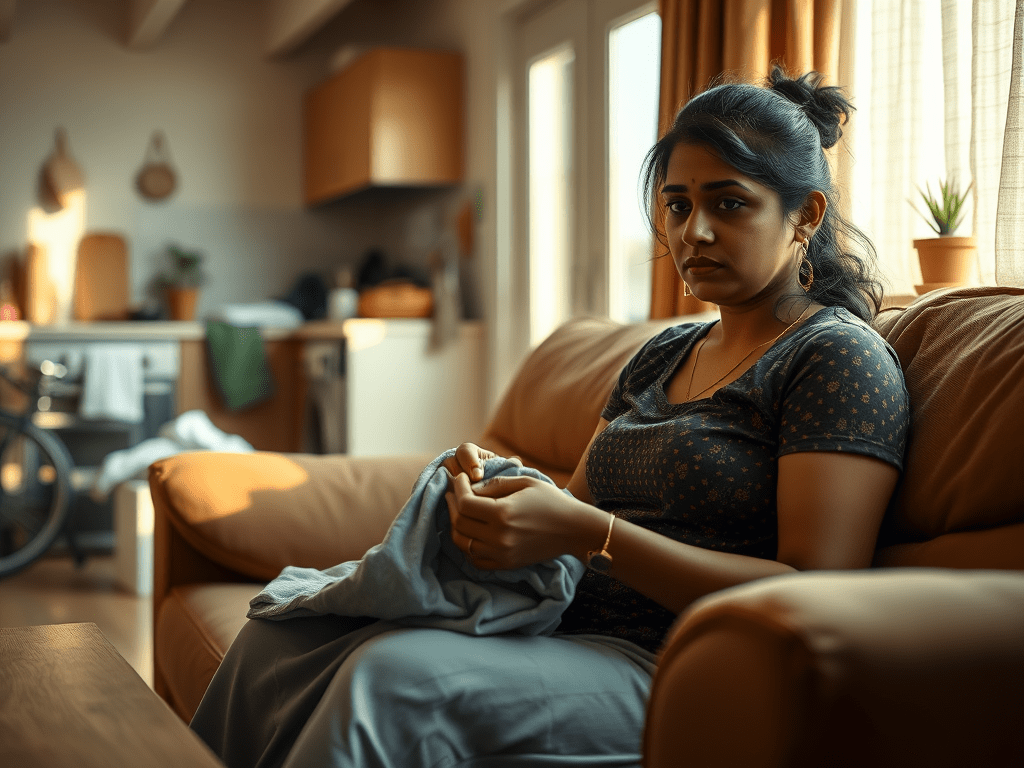
    I walked out to the hall. Kamali was folding clothes on the sofa.

    She looked up and smiled faintly. “Back early?”

    “Just by a day,” I said. “Hey… did someone use my room?”

    Her hands paused mid-fold. “I should have texted you,” she said. “My ex-husband came to the city. He didn’t have a place to stay.”

    She hesitated before continuing, “I let him use your room. Just for a night.”

    I didn’t respond immediately. Our flat — two bedrooms, a hall, and a kitchen — was one of those leased-out units the local builders handed to professionals. No frills. Just walls, water, and shared silence. A man and a woman living together with no real connection — not relatives, not lovers — raised questions in this part of the world. But we minded our own business. It worked.

    I’d never locked my room when I travelled. Trust had been unspoken but understood. But now, something had shifted — gently, but without warning.

    She must’ve sensed it. “He had a court hearing here,” she added. “He left this morning.”

    That evening, we sat in the hall watching the news. Kamali sat unusually still, her eyes fixed on the scrolling headlines. Then she said, without looking at me, “You didn’t ask me why I let him stay.”

    I shrugged. “Didn’t want to pry.”

    Her voice softened. “Because it gave me a chance to see my daughter. For two days. My mother-in-law hasn’t let me meet her in over a year. They’ve hired lawyers to make sure he gets custody.”

    She didn’t cry. But something in her face crumpled quietly inward.

    Next day, I paused at my bedroom door, suitcase in hand. My fingers hovered near the latch.

    And then I turned away, leaving the room unlocked.

    Some weeks later — I don’t remember the exact day — I returned home at the usual hour.

    Kamali was at the stove, stirring Maggi noodles. That morning, I’d noticed half a cake of it left on the counter. It must have been the same one, now simmering in the pan.

    Only God knew what else — if anything — she had eaten all day.

    She still hadn’t found a job. Rent was due in two days. Her savings, I suspected, were long gone. She never spoke about money, but you could read it in the small details — milk skipped in tea, the quiet neatness of someone stretching what little they had, her tired silences.

    “Any word from the interview?” I asked.

    She didn’t turn around. “They said I’ve been shortlisted for the final round — with the MD.”

    “That’s good news.”

    “It is… but he’s travelling. So they’ve scheduled it for the 4th.”

    There was something in her voice — thin hope, trying not to sound like hope.

    She ate quietly, washed her plate, and went into her room. The door clicked shut behind her.

    I drifted off on the sofa, the news channel murmuring in the background. At some point, I woke to a faint, muffled sound — someone crying. The kind of crying where you try to stay quiet, but can’t.

    It was coming from Kamali’s room.

    I walked up and tapped the door gently.

    “Kamali?”

    The crying stopped.

    The next morning, before leaving for work, I left some cash on the dining table. Not much — just enough to help. I placed the salt jar over it like a paperweight.

    Her room was still closed.

    When I returned in the evening, the flat was quiet. Kamali wasn’t home. But on the table was a small packet. Inside it — the same notes I had left.

    I found a Post-it on my bedroom door.

    “Be careful with money. Looked like you dropped it — notes were all over the floor this morning.
    Also… I got the job. Final round happened today — MD cancelled his trip. Got an advance. Went to buy groceries. See you soon.”

    I read it again, slowly.

    And smiled.

    A week or two later, Kamali returned late from work. It was past nine. She walked in with her hair loosely tied, a tote bag slung over one shoulder, her face drawn but alert — the kind of look you see in someone trying to act less tired than they are.

    I was in the kitchen, stirring some leftover upma from the morning. A half-filled steel plate waited on the counter. The only light in the flat came from the yellow kitchen tube and the flicker of the muted TV in the hall.

    “You cooked?” she asked, letting her bag down gently, as if out of habit more than fatigue.

    “Just something I made before leaving for calls,” I said. “Didn’t feel like ordering in.”

    She walked over and leaned slightly on the doorframe. “Doesn’t seem worth it, does it? Ordering food just for one.”

    I smiled faintly. “And it tastes the same, no matter which town.”

    She let out a short laugh. “You must get sick of hotel rooms.”

    “Three cities this week. Clinics blur into chemists, blur into bus stands. This flat feels like a pause between trips.”

    She said nothing for a moment. Then: “Do you ever go back to your hometown?”

    I looked up. Her voice wasn’t casual, but not intrusive either. A question asked because she wanted to know, not because she wanted to be polite.

    “There’s no one there,” I said. “My parents died when I was fifteen. Lorry accident on the Vellore bypass. My uncle took me in. That lasted till I finished school.”

    “And then?”

    “Courier boy. Grocery delivery. Logistics office. Whatever I could get. Took evening classes to finish a degree. Worked through most of my twenties. Still working through it.”

    She didn’t move or blink too much. Her face had a calm I hadn’t seen earlier — as if she was seeing me for the first time, minus the coat and bag and quiet.

    “I wouldn’t have guessed,” she said softly.

    I gave a dry smile. “I don’t say it often.”

    She stayed by the fridge, sipping water slowly, both hands around the glass.

    I sat at the table and began to eat, not rushing. The fan hummed. The TV in the hall muttered headlines to no one.

    For a while, neither of us said anything.

    But somehow, it didn’t feel like silence.

    It was a Sunday evening. The kind that settles softly, without saying much. A cricket commentary floated in from a neighbour’s window. Kamali was cooking — something with jeera, I guessed from the smell.

    She opened the fridge, paused, and muttered, “No tomatoes.”

    Then, to no one in particular, “I’ll just go down and get some.”

    The door clicked shut behind her.

    I stayed on the sofa, half-lying down, flipping through news channels without sound. The pressure cooker hissed once, then fell quiet. A window creaked. In that stillness, I noticed a large brown envelope on the dining table — the kind legal documents come in. It hadn’t been there yesterday.

    It was partly open, sheets jutting out. I told myself not to look.

    And yet, my eyes caught words too heavy to ignore.

    “Affidavit.”
    “Custody of minor child.”
    “Respondent failed to create a safe emotional environment.”

    I don’t know when I stood up. I didn’t plan to touch anything. But the envelope tilted, and one sheet slid out farther.

    Her name. His. A court in Chennai.

    I saw a paragraph underlined in blue:

    “Refused physical contact for extended periods. Exhibited withdrawal, emotional unpredictability. Unable to cooperate in shared parenting.”

    There were other words — clinical, deliberate, impossible to unread.

    One handwritten note in the margin simply said:
    “History of depressive symptoms post childbirth?”

    The room felt smaller.

    I slid the paper back in. Tried to align the stack as I’d found it. Sat down. Then stood again. Walked once to the window and back. When the door finally opened, I was in the exact spot she’d left me — remote in hand, screen flickering useless light.

    She didn’t notice the envelope had shifted.

    Or if she did, she chose not to show it.

    The tomatoes went into the pan. Mustard sputtered. A metal spoon clinked against the kadhai.

    We didn’t speak. But something quiet had changed.

    Not affection. Not pity. Just… a knowing.

    And the beginning of a gentler silence.

    Two days before Cuddalore, she left. Small suitcase. Said she was going for a hospital check-up, court arrangement. No other words.

    “All the best,” I said. Her eyes caught mine — not for long. Something like anger, or the edge of it, passed through her face. She left.

    Two days passed. Her door stayed shut. Her mug on the kitchen counter. Half a bar of soap by the sink. A steel plate drying on the rack.

    The evening before I was to leave for Cuddalore, I felt the worry rise. First time I ever called her. Her tiny phone, the one with the peeling keypad, usually rings so faint that I used to wonder if she’d hear it even if she were holding it. Once. Twice. No reply.

    Three days in Cuddalore. Field visits in the sun — bus stops, tea stalls, the smell of diesel from slow lorries. At night, hotel beds too white, too cold. In the mornings, the sound of water in plastic buckets down the hall.

    I thought of the flat — its quiet, its open balcony door.I told myself she was fine. I told myself she was strong.I told myself too many things.

    Came back to find it unchanged. Her door closed. Or maybe just empty.

    The next morning, in the shower, I heard the latch turn. Fifteen minutes later, towel dried, I stepped into the hall.

    Suitcase. Two leather bags. Her face was pale, swollen. She drank three cups of water in quick gulps, as if each one had been owed to her for days.

    “Hi,” I said. No glance.

    “I might be off for months… don’t try to call me.”
    “Where?”
    “No idea.”
    A pause.
    “Actually it makes no difference where I go.”

    She stood for a minute more. Then the door opened, closed.

    The salt jar was still on the table. The fan still clicked. And the flat felt bigger than it had in months.

    The next day, the real estate company called. Said the other room had been vacated. Someone would come to see the flat in a day or two.

    I didn’t ask about her key. Maybe she had given it back to them.

    I walked to her room. Tried the handle. It turned easily — not locked.

    Light burst in — windows wide. I shut my eyes for a moment.

    The bed had no pillow. On the dressing table — a comb,hairs caught in its teeth.

    The almirah was empty. On one shelf, an unopened bottle of moisturizer. I picked it up, sniffed. A faint, clean scent —  It was the kind of scent that makes you check if someone’s still in the room — I put the bottle back. Beside it — slips of blank paper, edges curling.

    The bathroom was spotless. A blue towel hung from the hook. I’d seen it on the balcony railing.

    I pulled it down. The cloth was soft, holding the quiet smell of a place recently lived in. For a moment it felt like she was still here. I folded it back on the hook.

    Before leaving, I shut the windows. The light went out.

    The room fell into dark.

    It had been a few weeks since she left. The flat had adjusted to its new rhythm — a little more quiet, a little less lived-in. The real estate company had sent a new tenant: a Bengali boy from Alipore, studying engineering in one of the city colleges. Polite, always with earphones around his neck, he came and went without much notice.

    One evening, around seven, the doorbell rang. My flatmate pulled out his earphones and opened the door. Two policemen stood there — one older, with a notepad; the other younger, eyes scanning the hall as if measuring it.

    “Mr…?” the older one asked.

    The boy turned to me. “They’re asking for you.”

    They stepped inside, sat on the sofa without waiting for an invitation. “We need to ask about your previous roommate. Woman, about thirty, Kamali…?”

    I nodded.

    The questions came steadily — when I’d last seen her, what she’d taken with her, where she might go. I answered what I could, which wasn’t much. My answers were small islands in what was clearly a much larger sea they already knew.

    Then the older one said it, almost offhand: “She went to her husband’s town. Took the child. Without custody.”

    The younger one wrote something in his pad.

    I sat there, unsure what to say. The words “took the child” felt strange — soft, almost harmless. But the older man’s tone was matter-of-fact, as if ticking off a crime from a list.

    They called it kidnapping.

    I kept thinking — how can it be kidnapping when it’s the child’s own mother? The law clearly thought otherwise.

    An hour passed. They closed their notepad, stood up, thanked me in a way that wasn’t thanks, and left.

    The boy seemed curious but didn’t ask any questions. He couldn’t have understood much anyway—the cops had been speaking to me in Tamil.

    The flat felt heavier. Not with her absence — that had already settled in — but with the knowledge of what absence can make someone do.

    I still wonder why she stays in mind. We were never friends. Only the quiet shape of her things — the salt jar, the towel on the railing, those slips of curled paper on her shelf.

    Maybe it’s just what happens when two lives share walls. Some of it rubs off and stays. Like scent on a towel long washed.

    If I hadn’t seen those legal papers — and I shouldn’t have — the police would have brought a different story. I’d have believed it. Funny how one glance can set the compass forever.

    Whenever the Bengali boy vacates, I’ll take the whole flat which will include the other room too. Open those wide windows of that room. Let the air move through. And see what it chooses to keep.

  • மனக்கற்பனையின் வலை

    அலுவல் ரீதியான குழப்பங்கள் தூங்க விடாமல் செய்தன. மூன்று மணிக்கே எழுந்து விட்டேன். குழப்பங்களுக்கு திடத் தன்மை இல்லை என்ற எண்ணத்தை விதைத்து சற்று அமைதியாய் அமர்ந்திருந்தேன். குழப்பம் எங்கிருந்து தொடங்குகிறது? என்ற கேள்வியை எழுப்பி முடிச்சை அவிழ்க்க முயன்றேன். நிறைய முடிச்சுகள். ஒரு வலைக்குள் அமர்ந்திருக்கிறோம்! இந்த வலையில் பல்லாயிரம் முடிச்சுகள். என்னுள் இருந்த மிலரேபா கண் விழித்தார்.

    —-

    லட்சியம் என்பது வெறுமை
    அது பல காரணகாரியங்களைச் சார்ந்த, அறிய முடியாத எதிர்காலத்தில் என்றோ நிகழத்தக்க ஒரு நிழல்.
    அதை அடைய வேண்டுமெனும் பேராசை, இப்போதே உன் சுமையை அதிகப்படுத்த வேண்டாம்.
    உன் நரம்புகளுக்குள் எதிர்பார்ப்பின் ரத்தத்தை பாய்ச்சிவிடாதே.
    நரம்புத் திசுக்களைச் சுற்றி ரத்தம் ஓடுவது இயற்கை;
    ஆனால் நரம்பிழைக்குள் ரத்தம் ஓடுவது இயற்கையல்ல.

    லட்சியம் என்பது கற்பனை
    கற்பனை நிகழ்ந்துவிடும் என்ற உறுதி
    அதன் ஈர்ப்பில் லயித்திருப்பது! –
    அடுத்த வார விருந்துக்கு
    இப்போது பட்டினி கிடப்பது

    போட்டி ஒரு கற்பனை
    யார் மீது,
    எதன் மீது,
    போட்டி?

    தான் நடக்கும் பாதையில்
    யாரோ வந்துவிடுவார்கள் எனும் அதீத பீதி,
    இன்னொரு பாதையில் நடப்பவரைத்
    தள்ளிவிடும் எண்ணம் —
    நம் கற்பனையில் மட்டுமே உள்ளது போட்டியுணர்வு!

    நம் இலக்கை நாம் அடைவதும்,
    அவன் இலக்கை அவன் அடைவதும்
    போட்டியுணர்வின் அடிப்படையில் தான் என எண்ணுதல் —
    மணற்பரப்பில் தெரியும் நீர்க்காட்சி மேலான தாகம்!

    எதிர்காலத்தின்
    ஏதோ ஒரு புள்ளியைப்
    பிடித்துத் தொங்கிக் கொண்டிருத்தல் —
    கனவு ஆப்பிளின்
    கற்பனைச் சுவைபார்த்தல்.

    போர்வைக்குள் தூக்கம்
    கனவு வலைக்குள் இயக்கம்
    கொத்த வரும் பாம்பிலிருந்து தப்புதல் சுலபம்
    போர்வையை விலக்கி கண்விழித்தல்
    பாம்பை இல்லாமல் ஆக்கி விடும்.

  • Ice-fruit

    Long before she became Madonna Raj, before her name danced in stadium lights, she was Meenakshi, the girl who bit into orange candy, squinted at the sun, and whispered,

    “You know what this tastes like? Ice-fruit.” 

    “What’s that?” 

    “It’s not a real fruit,” she said. “It’s something cold… that melts in your mouth… and makes you forget you’re in school.”

    He was twelve. She, eleven. They lived in adjacent houses, roofs almost touching, sharing a wall and a hundred secrets. They fed squirrels, flicked marbles into cracked cups, and fought over who got to sit on the higher step during power cuts.

    Sometimes—just sometimes—she’d lean in close and say,

    “Say ‘ice-fruit’ when you want me to make everything okay.” “Even if we’re old?” “Especially then.”

    But childhood doesn’t last. One summer, she left.

    No real goodbye—just an uncle’s car, a mother’s new job in another city, and a rooftop that suddenly felt twice as wide.

    Later came whispers: Modeling. Mumbai. Then music. Then Madonna Raj. A name the world learned to scream.

    But he never screamed it. He just murmured ice-fruit now and then— when the rains came early, or when a woman passed him who smelled faintly of vetiver and soap.

    He was forty-seven the day he saw her again—not in person, but in a flicker of glass and chance.

    Venkatesh was at the Bangalore airport, waiting for a delayed flight to Coimbatore. A dull evening: weak coffee, emails, a cold seat by the window.

    And then— a muted TV screen in the corner showed her at Cannes, laughing beside some European director. Her hair caught the wind. Her eyes half-closed.

    The ticker said:

    “Rumored affair with Cannes director fuels gossip back home.Madonna, India’s elusive pop mystic, spotted again…”

    He didn’t need the name.

    She laughed easily beside the European man—those who didn’t know her would see freedom. Those who once shared rooftops with her might sense something else.

    For a moment, all the noise around him—the boarding calls, the clicks, the sighs—fell away. She had looked free, but not untethered. Like someone who had left home but always carried a folded piece of it.

    That night, in a hotel bed, he wrote a note on his phone:

    Dear Meenakshi, I saw you today. Not you-you. But a glimmer. You smiled like someone who remembers the smell of rain on iron gates.

    There’s a part of me that never left our rooftop. Still waiting for you to throw a seed at my window. Still wanting to say “ice-fruit” just once, to see if you’d look up.

    I know you won’t read this. But I wanted to say it anyway. Because memory—like music—doesn’t need a reply. — V

    He saved the note. Didn’t send it.

    It was grief, not longing, that took Venkatesh back to his native town.

    Murugesan Sir, his old Tamil teacher, had passed away. A soft-spoken man who taught more poetry than grammar, who once told a noisy class, “Even silence has a syntax.”

    Venkatesh hadn’t seen him in decades, but some teachers remain like scaffolding—silent, essential.

    The cremation ground was quiet. A small crowd. A priest. The dry rustle of a fig tree in the wind.

    Venkatesh stood near the back, under a patch of shade. No rituals to perform. No direct connection. Just respect—and a debt that couldn’t be paid in flowers.

    And then, just beyond the sandalwood fire, near the peepul tree — her.

    Not surrounded by handlers. Not hidden behind lenses. Just standing. Still.

    A grey cotton saree. Sunglasses. A faint shadow beneath her eyes. The fabric moved lightly against her, wind-brushed at the waist. Even in stillness, there was a grace about her—unadorned, but quietly arresting.

    He didn’t move. He didn’t know if he should. But she did. Took off her glasses. Looked straight at him. And the years fell away like sand from a tired hand.

    “You knew him?” she asked gently.

    “Yes,” he replied. “He taught me Tamil. And how to sit with difficult things.”

    She nodded. “He was a distant relative. But he was very affectionate to my mom. She adored him.”

    They fell silent.

    Behind them, the priest was chanting. The wind changed, carrying the scent of ghee and smoke.

    She glanced at the flame.

    “He used to hum while correcting papers,” she said. “Old songs. Carnatic, I think. Off-key.”

    “He once made us write love poems,” Venkatesh said. “Said it was the only honest grammar left in the world.”

    She smiled. There was something tired about the way she smiled—like a melody paused too often, or a candle kept alight in wind.

    “Do you still write?” she asked.

    “Only when I don’t want to forget something.”

    She looked down. Then, very quietly, pulled something from her cloth bag—a thin diary, worn at the corners.

    She opened it, tore out a page, and handed it to him.

    “He wrote this to my mother once. She kept it in her kitchen drawer. I found it last week.” “It’s not about you,” she added, catching herself. “It’s just… about memory. About how people stay in each other’s minds.”

    He folded the page without reading it.

    “Coffee?” she said suddenly. “At that old hotel by the bus stand?”

    He blinked.

    “You’re not afraid someone might recognize you?”

    She shrugged.

    “Not today. Today I came to be someone’s niece. And maybe… a neighbour again.”

    Was this the same woman the tabloids claimed had found her muse—and her man—in Europe? Or was that just the camouflage of a long performance?

    They walked side by side, not close, not distant. No one followed. No one stopped them.

    And the town, which had once cradled both their beginnings, watched in silence as two figures slipped into the hush of the afternoon, toward a memory that still served coffee in steel tumblers, and sometimes—if you whispered it softly enough— still understood the word: ice-fruit.

    Months passed. The seasons turned with the predictability that midlife demands. Venkatesh settled back into Bangalore’s quiet chaos: Emails. Elevator silences. Filter coffee that never quite got the strength right.

    Then—one Thursday afternoon, as he stepped out of a review meeting and glanced at his phone— a message from an unknown number:

    “I’m here in Bangalore for a film promotion event, wondering if we could meet, Have to consult something personal – M”

    No emoji. No full stops either. Just that soft signature: M.

    He stared at it for a long time. The last they met had been under a peepul tree. A funeral. Smoke. Shared silences. No promises.

    And now— this.

    His heart beat a little faster. But his mind had already started circling like a cautious hawk.

    Consult something personal?

    Could it be— Had she decided to walk out of her toxic marriage? Maybe that’s what she wanted to talk about. Maybe she wanted someone who remembered her from before the layers. Before the stage. Before the scrutiny.

    That’s when it struck him.

    She had never once asked him about his marriage. Not once.

    Maybe she just assumed—like most do—that anyone his age with a receding hairline and a tired paunch had settled into a domestic rhythm.

    She had even teased him about both—his hairline and his tummy. Casually. Kindly. Like only someone who used to throw seeds at his window could.

    She would be in for a surprise if she brought up the topic today.

    He smiled. Not broadly. Just enough to let his chest rise.

    And almost unconsciously, he whispered—like an old habit, like a prayer stitched into memory:

    “Ice-fruit.”

    AI Generated
  • புதிய வாசிப்பில் பாரதி

    “பாரதியின் காளி” வாசித்து முடித்துவிட்டேன்.

    பாரதிப் பித்தர்களும் பாரதி எதிர்ப்பாளர்களும் எதிர்முனைகளாக இருபுறம் குவிந்து நிற்கிறார்கள். “பாரதி போல் உண்டா” என்ற வழிபாட்டு மன நிலையில் உள்ளோர் ஒரு புறம். வைதிக வர்ணாசிரமக் கருத்துகளின் மறைமுக ஆதரவாளர் என்று வர்ணிப்போர் இன்னொரு புறம். நான் பெரும்பாலும் முந்தைய நிலையில் வளர்ந்தவன். பின்னர் அவருடைய சில போக்குகள் – கனகலிங்கத்துக்கு பூணுல் அணிவித்த நிகழ்வு குறித்த வரலாறு – என்னை சற்று அவரிடமிருந்து விலக வைத்தது. பாரதியின் கவிதைகள் வெறும் பாடல்கள், வீறு பெற்று முழங்கும் முழக்கங்கள், கவிதையின் அமைதி வாய்க்கப் பெறாத பாடல்கள் என்று எழுதிய சில கவிதையியல் விற்பன்னர்களின் கருத்துகளால் சில காலம் ஈர்க்கப்பட்டேன். அவர் கவிதைக்கு மொழி பெயர்ப்புத் தன்மை இல்லை. எனவே சாதாரண ஒரு கவிஞர் அவர் என்று ஒருவர் சொன்ன கருத்து -“இது உண்மையாய் இருக்குமோ?” என்று எண்ண வைத்தது. எந்தப் புள்ளியில் பாரதிக்குத் திரும்பினேன் என்று யோசித்த போது – நண்பர் மாதவன் சொன்ன வார்த்தையைக் கேட்ட பின்னர் தான் என்று சொல்வேன். நண்பர் சொன்னது இது – Bharathi is not part of the problem ; but of the solution.

    பாரதியின் காளி நூலின் எழுத்தாளரும் என்னைப் போல் தான் – “அவர் ஒரு மேலோட்டமான கவி என்று தீர்ப்பு விலகிச் செல்ல முயன்றிருக்கிறேன். ஆயினும் அனைத்து சமயங்களிலும் நான் பாரதியிடம் தான் மீண்டும் திரும்பி வந்திருக்கிறேன்” – என்கிறார். அதற்கான காரணத்தை இவ்வாறாகச் சொல்கிறார் – “பாரதியைப் பற்றிய ரகசியங்களைப் பாரதியிடமே தெரிந்து கொள்ளலாம் மற்றவர்களின் துணையின்றி….தம்மை என்றும் சுய விமரிசனத்திற்கு ஆளாக்கிக் கொள்ளும் மிகக் குறைந்த எழுத்தாளர்களில் ஒருவர் பாரதி”

    பாரதியின் தமிழ் முதலில் பாடல்களாக மலரத் தொடங்கிய காலங்களில் அவருக்கு ஆழ்வார் தமிழின் அறிமுகம் இல்லை என்ற விஷயம் இந்நூல் வழி எனக்குத் தெரிய வந்த போது அளவிலா வியப்பு. தேவாரமும் திருவாசகமும் கேட்டும் வாசித்தும் வளர்ந்தவருக்கு ஆழ்வார் தமிழ் பற்றி அறிய பிறந்து இருபத்தியெட்டு வருடங்கள் தேவைப்பட்டிருக்கிறது.

    உணர்ச்சிப் பெருக்கான ஆவேசமிகு பாடல்கள் பின்னர் கவிதையாக்கமாக உயர்ந்தமைக்கு ஆழ்வார் தமிழின் அறிமுகம் மட்டுமன்று – ஶ்ரீ அரவிந்தர் உடனான தொடர்பு ஏற்பட்ட பிறகு ரிக் வேதத்தின் மேல் பாரதிக்குப் பிறந்த ஆழ்ந்த ஈடுபாடும் இன்னொரு காரணம். 1910க்குப் பின்னரே கவிதைகள் நிறைந்த ஆக்கங்களெல்லாம் எழுதப்பட்டன என்னும் கூர்மையான நோக்கை முன்வைக்கிறார் மோகனரங்கன்.

    பாரதியின் தொகுப்பில் சரி வரக் கலந்திருக்கும் பாடல், கவிதைகள் குறித்து விரிவாக நூலில் பேசியிருக்கும் மோகனரங்கன் குயில் பாட்டு கவிதையாவது எங்ஙனம் என்று உரைத்துவிட்டு குயில் பாட்டின் இறுதியில் வரும் “ஆன்ற தமிழ்ப் புலவீர், கற்பனையே ஆனாலும் வேதாந்தமாக விரித்துப் பொருளுரைக்க யாதானும் சற்றே இடமிருந்தால் கூறீரோ” என்ற வரிகள் அதுவரை பாட்டில் சிறந்திருந்த கவித்திறத்தை சரிக்கின்றன என்று கூறுகிறார். பாஞ்சாலி சபதம் பாடல்-கவிதை இரண்டுங்கலந்த பதிப்பு. கண்ணன் பாட்டு பாரதியின் வாழ்க்கை தரிசனம். – என்று படி பரிணாமமாக அவர் கவிதையாக்கம் உயர்ந்ததை பதிவு செய்கிறார் மோகனரங்கன்.

    இந்த பரிணாமத்துக்கிணையாக வேறு இரண்டு விஷயங்களும் பாரதியின் வாழ்வில் நடந்திருக்கிறது எனத் தரவுகளின் மூலம் நிறுவப்படுகிறது – பாரதியின் கருத்து நிலை வளர்ச்சியும் சுதேசியத்தின் வீறுநிலை வளர்ச்சியும் சமகாலத்தில் இயங்கியவை.
    சில முக்கிய வினாக்களை எழுப்பி அதற்கான பதில்களை பாரதியின் கவிதை, கட்டுரை, பத்திரிக்கை குறிப்புகள் வாயிலாக கண்டுபிடிக்க முயல்கிறது “பாரதியின் காளி”.

    -தேச பக்தி என்ற ஒன்றிற்காக அத்துணை பாடல்கள் பாடியது ஏன்?


    -சமுதாய சீர்திருத்தம் உடனடித்தேவையா அல்லது தேச விடுதலையா?


    -பாரதி தேசபக்தியை தேர்ந்தெடுத்தது ஏன்?


    -பாரதியின் கருத்தில் நிறைந்த ஆளுமைகளின் – முதலில் திலகர், பின்னர் ஸ்ரீ அரவிந்தர் -தாக்கத்தில் ஜாதி வேற்றுமைகள் போன்ற முக்கியமான விஷயங்களில் பாரதியின் கருத்து நிலைகள் எப்படி மெல்ல மெல்ல மாறிக்கொண்டு வந்தன? (1906ல் பாரதி எழுதிய கட்டுரை வரிகளையும் 1916இல் ஓர் ஆங்கிலப்பத்திரிக்கைக்கு எழுதிய The Crime of Caste என்ற கட்டுரைகளின் வரிகளை ஒப்புநோக்கி பாரதி நடந்து வந்த தூரத்தை சுட்டிக் காட்டுகிறார் நூலாசிரியர்)

    – அவருடைய கருத்து நிலை மாற்றங்களில் ராமகிருஷ்ணர் – விவேகானந்தர் – சகோதரி நிவேதிதா எனும் தொடரின் பங்கு எத்தகையது?

    -தேசபக்தி என்பதை “பிரதான மத இயக்கங்களை ஒருங்கிணைப்பதில் முனைப்பு கொண்ட இயக்கமாக அறியப்பட்டு வந்திருக்கும்” சாக்தம் என்பதற்கு புதுவிளக்கமாக பாரதி வனைந்தெடுத்ததன் பின்னணி என்ன?

      மேற்க்கண்ட கேள்விகளுக்கான விடையைப் பெறுவதில் குறிப்பிடத்தக்க வெற்றியை மோகனரங்கன் பெற்றிருக்கிறார் என்றுதான் சொல்ல வேண்டும்.

      “நவசக்தி மார்க்கத்தின் விரிவான பாரதியின் புதிய பார்வை சுதேசிய உணர்வை ஆன்மீகமாக உணர்ச்சிகளும், வழிபடு மனத் தொய்வும் மிக்க தரிசனமாக காட்டுவதே” எழுதிய பாடல்களில் கருத்துக்களில் பாரதி கருதிய பொருள் என்ற முடிவுக்கு வரும் மோகனரங்கன் பாரதியின் கட்டுரைகளின் வாசிப்பின்றி பாரதியின் கவிதைகளின் தாத்பர்யத்தை முழுமையாக அறிய முடியாது என்றும் அழுத்தமாகக் கூறுகிறார்.


      “பாரதியின் அடிப்படை ஊக்கம் ஆன்மீகத் தேட்டம் என்ற நிதர்சனத்தைப் புரிந்துகொண்டால்தான் அவருடைய எழுத்து அனைத்தும் தம்முள் ஒன்றிற்கொன்று ஒத்திசைவனவாய், ஒன்றை ஒன்று விளக்கி நிற்பனவாய் பிரிகதிர்ப் படாமல் அர்த்தப்படுகிறது.” “அவருடைய பாடல்களை உரைநடை விளக்குகிறது; உரைநடையைப் பாடல்கள் அடிக்கோடிடுகின்றன. இரண்டின் உட்கருத்துகளாய்த் திகழும் சிலவற்றைப் பெறுக விளக்கிய படைப்புகளாய் அவருடைய சாத்திர, வேத விசாரங்கள் திகழ்கின்றன”


      இருப்பில் இன்னும் சில பாரதியியல் நூல்கள் இருக்கின்றன, அவற்றையும் விரைவில் படித்து முடித்துவிட வேண்டும்.

    • புனித முரண்பாடு

      கையில் ஒளிந்த சீட்டு,
      இதயங்களை உடைக்கும் ஒளிர்வு,
      கூடுதல் நேரத்தில் அடித்த கால்பந்திலக்கு,
      வஞ்சகனின் வெள்ளி நாவு,
      துறவியின் காலைப் பிரார்த்தனை,
      நிறுவனத் தலைவனின் கரும் லட்சியம்,
      தாயின் கடுமையான அன்பு –
      இவ்வனைத்திலும் இருப்பவன் நானே!
      சிறப்பு என்பது என் சாயல் –
      தங்கத்தில் எழுதப்பட்டாலும்
      நிழலில் செதுக்கப்பட்டாலும்

      கோயில்களில் என்னைத் தேடுகிறாயா? கூர்ந்து பார்—
      ஒவ்வொரு பிரகாசமான விஷயத்தின் பின்னிருக்கும் பிரகாசம்
      வெற்றியாளரின் நெஞ்சில் நிறையும் வெற்றி
      இவ்வுலகையே வளைக்கும் எஃகுத் தீர்மானம் – அனைத்தும் நானே

      ஊழல் என நீ அழைப்பதிலும்,
      பிரகாசமாய் எரியும் என் சக்தி.
      திசையைத் தேர்வது – உள்ளது உன்னிடம்

      (கீதையின் பத்தாம் அத்தியாயத்தில் வரும் முப்பத்தியாறாம் செய்யுளை வாசித்தவுடன்)

    • சத்தம் அநித்தியம்

      சத்தம் அழியக்கூடிய பொருள் எனும் விவாதம் நிறைய பவுத்த நூல்களில் இடம் பெறுகின்றன

      …. சத்தம் அநித்தம் என்றல்
      பக்கம், பண்ணப் படுத லாலெனல்
      பக்கத் தன்ம வசனமாகும்…

      (மணிமேகலை, 29 : 68-71)

      திக்நாகர் சொல்கிறார் : “அநித்ய: ஸப்தைதி பக்ஷ வசனம் க்ருதகத்வாத்இதி பக்ஷதர்ம வசனம்” (ப்ரமாண சமுச்சய)

      கிட்டத்தட்ட மொழியாக்கம் செய்தவை போல தோன்றுகிறதல்லவா?

      சத்தம் நிரந்தர பொருளல்ல ; அழியக்கூடியது, ஏனெனில் அது யாராலோ எதனாலோ எழுப்பப் படுபவை.

      இந்த வாதத்துக்கு ஏன் இத்தனை முக்கியத்துவம்? வேத ஒலிகளுக்கு நித்தியத் தன்மை வழங்கிய இந்து தத்துவ பள்ளிகளுக்கு (மீமாம்சை, ந்யாய) நேரடி எதிர்வினை தரும் முகமாக பவுத்தம் எழுப்பிய வாதம் இது. குமாரில பட்டர் போன்ற மீமாம்சை தத்துவ வாதிகள் வேத மந்திரங்கள் நித்தியத்தன்மை கொண்டவை என்றனர். அச்சத்தங்கள் உருவாக்கப்படாதவை (அபௌருஷேய) என்றும் கூறினர். ஒலி நித்தியம் ஏனெனில் அது கண்ணுக்குப் புலனாகாதவை, ஆகாசம் போல.

      திக்நாகரும் அவரது சீடர் தர்மகீர்த்தியும் இதைக் கையிலெடுத்துக் கொண்டு முக்கூற்று வாத முறையில் சத்தம் அழியக்கூடியது என்று வாதாடினர்.

      பக்கம் (Skt.Pratijna) : “சத்தம் அநித்தியம்”

      ஏது (Skt.Hetu) : “ஏனெனில் அது எழுப்பப்படுவது”

      உதாரணம் : “பானையைப் போல்”

      பண்ணப்படுவது எதுவும் (“பேச்சு”, “ஆயுதம்”) அழியக்கூடியவை, எனவே அநித்தியமானவை.

      “ஒலியை” பௌத்தர்கள் குறி வைத்ததற்கான காரணங்கள் – (1) வேதங்களின் காலமின்மை என்ற மீமாம்சகர்களின் வாதத்தை முறிப்பது. (2) சார்பியல் தோற்றத்தை (ப்ரதித்ய சமுத்பாதம்) நிரூபிப்பது (3) மீமாம்சகத்தின் சடங்கு உலகம் வேத மந்திரங்களின் நித்தியத்தன்மை கொள்கையைச் சார்ந்திருந்தது

      பின்னர் வந்த வைதீக தத்துவவாதிகள் (நியாய – வைசேசிகர்கள்) தமது நிலைப்பாட்டை சற்று செம்மைப் படுத்திக் கொண்டு நித்ய சத்தம், அநித்திய சத்தம் என்ற பாகுபாட்டை ஏற்படுத்தினர். பௌத்தர்களோ அதற்கும் பதிலடி கொடுத்தனர் – “அனைத்து சத்தங்களும் அழியக்கூடியவை தாம்; வெளிப்படாத ஒலி என்பது கருத்தியல் புனைகதை” என்றனர்.

      இவ்விவாதம் வெறும் ஒலியியல் பற்றியது மட்டுமல்ல. “சுருதி” -“பௌத்த அனுமானகம்”, நித்தியவாதம் – அநித்தியவாதம் – ஆகியவற்றுக்கிடையிலான மோதல். “சத்தம் அநித்தியம்” எனும் Syllogism வைதீக பள்ளிகளின் மீப்பொருண்மையியல் கூற்றுகளைத் தகர்க்கும் கருவியாக பயன்பட்டது.

    • ஏ ஐ 171 விமானமும் மஞ்சுநாதரும்

      ஏ ஐ 171 விமான விபத்தில் ஒருவரைத் தவிர அனைத்து பிரயாணிகளும் விமானிகளும் கல்லூரி விடுதியில் இருந்த மாணவர்களும் செத்துப் போயினர். ஆனால் பகவத் கீதையின் பிரதியொன்று சற்றும் கருகாமல் தப்பித்தது. இது  சமூகஊடகங்களிலும் வாட்ஸப் உரையாடல்களிலும் பகிரப்பட்டது. துளி கூட பச்சாதாபமோ, சக-உணர்வோ இல்லாத மனிதர்கள்! இவர்களின் பக்திவுணர்வு போலியானது! “எனக்கு மட்டும் அருள்! வேறு யாருக்கும் அருளாதே!” என்று இறைவனிடம் வேண்டுவது ஆன்மீகமன்று. “உனக்கு தேங்காய் உடைக்கிறேன், எனக்கு செல்வத்தைக் கொடு, அதைக்கொடு, இதைக்கொடு” என்னும் வியாபாரம்.  பிரார்த்தனை ஆன்மீகத்தின் முக்கியமான அங்கம். ஆனால் அது வியாபார உணர்வில் எழுவதல்ல. அதை புரிந்து கொள்ளும் நுண்ணுணர்வு இவர்களுக்கிருந்தால் ஆன்மீகத்தில் நல்ல தேர்ச்சி கண்டிருப்பார்கள்! 

      பிரயாணிகளை இறந்த பிறரைக் காப்பாற்றாமல் தன்னை மட்டும் காப்பாற்றிக்கொண்ட பகவத் கீதை பிரதி – என்று சொன்னதால் என் மீது பாய்ந்தார் அந்த வாட்ஸப் குழுவின் உறுப்பினர். “புனித நூலை ஏளனம் செய்கிறாய்” என்று என் மீது குற்றஞ்சாட்டினார். “புனித நூலை நீ புரிந்துகொண்ட  லட்சணத்தை ஏளனம் செய்கிறேன்” என்று அவரிடம் எப்படி சொல்லி புரியவைப்பது?

      தர்மஸ்தலா கோயிலைச் சுற்றிப் பல பத்தாண்டுகளாக நடந்த கொலை, வன்புணர்வு போன்ற குற்றச்செயல்களை மறைப்பதில் பங்கு வகித்ததாகக் கூறப்படும் தர்மகர்த்தாக்களின் கோயில் ஊழியர்களின் செய்கைகளால் அந்தக் கோயில் அசுத்தப்பட்டிருக்காதா என்ற எண்ணம் கடந்த சில தினங்களாக அலை மோத குறிப்பொன்றை பேஸ்புக்கில் எழுதினேன்.

      “சென்ற வார இறுதியில் என் மகளை அவள் கல்லூரியில் விட்டு வர மணிபால் சென்றிருந்தேன். திங்கள் காலை பெங்களூருக்குத் திரும்ப வரும் போது தவறுதலாக வாகன ஓட்டுனர் வேறு வழியில் சென்று விட அந்தப் பாதை எங்களை தர்மஸ்தலா மஞ்சுநாதர் கோவில் வாசலுக்கு அழைத்துச் சென்றது. தெரியாமல் இங்கு வந்து விட்டோம். மஞ்சுநாதரை தரிசனம் செய்து விடுவோம் என்ற ஆசை துளிர்விட்டது. இறைவனே அழைத்துள்ளார் எனும் வழக்கமான சென்டிமென்ட் சிந்தனை லேசாக எட்டிப்பார்த்தது. இத்தகைய சந்தர்ப்பங்களை என்றும் தவற விடாத நான் வழக்கத்துக்கு மாறாக “நிற்க வேண்டாம்…வீட்டை நோக்கிச் செல்வோம்” என்று சொன்னேன். என்னுடைய மனைவியும் கோயிலுக்குச் செல்வதில் ஆர்வம் காட்டவில்லை. தர்மஸ்தலாவின் கோயிலைப் பற்றி அவர் அறிந்திருக்கவில்லை என்பது காரணமாயிருக்கலாம். இது” அனுமார்” கோயிலா என்று கூட அவர் கேள்வி கேட்டார். செய்தியில் வந்து கொண்டிருக்கும் தகவல்களைப் பார்க்கும் போது தரிசனத்துக்கு நிற்காமல் சரியான முடிவை எடுத்திருக்கிறோம் என்று நினைக்கத் தோன்றுகிறது.”  

      என்னுடைய எந்த போஸ்டுக்கும் லைக்கோ கமெண்ட்டோ போடாத நெடுநாளைய நண்பர் உடனே வந்து ஆஜரானார்.

      “மீண்டும் ஒரு முறை அவரை தரிசிக்கும் வாய்ப்பினை அந்த மஞ்சுநாதர் ஏற்படுத்த வேண்டும். அவனருளாலே அவன் தாள் வணங்கி.. நம்மில் பெரும்பாலானோர் நாம் இறைவனை பார்க்க போகிறோம் என்று நினைக்கிறோம். உண்மையில் அந்த இறைவன் நம்மை பார்க்க விரும்பினால் அன்றி அது நடக்காது “

      அவர் இட்ட கமென்டின் தர்க்கப்பிழை குறித்து அவர் கவலைப்பட்டதாகத் தெரியவில்லை. கோயிலுக்குச் செல்வதும் இறைவனைத் தரிசிப்பதும் அனைத்தும் இறைவனின் விருப்பப்படி என்ற கோட்பாட்டை சரியாகப் பொருத்தினால் கோயிலைச் சுற்றி நடந்ததாக கூறப்படும் கொடுமைகள் கூட இறைவனின் விருப்பம் என்பதாகத்தானே இருக்கும்? உரையாடல் உடனே நின்றுவிட்டது. தானாகவே வந்து கமெண்ட் போட்ட நண்பர் உரையாடலைத் தொடர விருப்பம் இல்லை என்று சொல்லி நிறுத்திக் கொண்டார். அவர் என்னுடன் மேற்கூடி பேசாமல் நிறுத்திக் கொண்டது அவர் விருப்பமா அல்லது 

      இறைவனின் விருப்பமா?

      தற்செயலாக தர்மஸ்தலா கோயிலைக் கடந்து பயணிக்கும் வாய்ப்பு அமைந்தது இறைவன் சித்தம் என்று நினைப்பது இயல்பான பழக்கம். அச்சமயத்தில் அங்கு நிற்காமல் பயணத்தைத் தொடர்ந்தது என்னைப் பொறுத்தவரை இயற்கைக்கு மாறான ஒரு விஷயம். ஏன் கோயிலுக்குள் நுழையவில்லை? என்ற கேள்வி எனக்குள் எழுந்தது உண்மைதான். அடுத்த இரண்டு நாட்கள் “தர்மஸ்தலா கொலைகள்” பற்றிய செய்திகள் பூதாகாரமாக ஆன்லைன் மீடியாக்களில் ஒலித்தபோது, பின்னோக்குப்  பார்வையில்  கோயிலுக்குச் செல்லாமல் இருந்தது சரிதான் என்ற அகவுணர்வு எழுந்ததைத் தவிர்க்க முடியவில்லை.

      பகவத் கீதையைப்பற்றி மரியாதை இல்லாமல் பேசி விட்டேன் என்று சண்டைக்கு வந்தவரும் “அவன் அருளால் தான் அவனை வணங்க முடியும்” என்று சொன்ன அன்பரும் எதை மறந்து பேசுகிறார்கள்?  நியாயவுணர்வும் சக-மனிதர் சார்ந்த பரிவுணர்வும் ஆன்மீகச் செயல்முறையின் அஸ்திவாரம் என்பதை. நியாயவுணர்வற்ற, சகமனிதர் குறித்த பரிவுணர்வற்ற பக்தியுணர்வு அதிகாரத்திற்குத் துணை போகும் தன்மையை எப்போதும் தன்னகத்தே கொண்டுள்ளது. 

      ஸ்வதர்மம் என்று கீதையில் வரும் தத்துவக் கலைச்சொல் எதனை குறிக்கிறது?  தனக்கேயுரித்தான கடமையைப் புரிவது ஸ்வதர்மம் – இது உடல்-புத்தி சார்த்த “அபர தர்மத்தையும்” ஆன்மிகம் சார்ந்த “பர தர்மத்தையும்” ஒன்றிணைந்தது. பக்தி கலந்த அன்பும் சேவையும் பர தர்மம் எனப்படும். உலகியல் சார்ந்த பணிகள் அபர தர்மம் எனப்படும். 

      ஏ ஐ 171 விமானத்தில் உயிரிழந்த மனிதர்கள் – தப்பிப்பிழைத்த பகவத் கீதை பிரதி – இவ்விரண்டில் கீதையை வாசித்துப் புரிந்து கொண்டவனுக்கு எதன் மீது பரிவுணர்வு இயல்பாக எழ வேண்டும்? 

      “அவனருளால் அவன் தாள் வணங்கி…” என்பவரை எடுத்துக் கொள்வோம். கோயில் என்பது இறைவன் இருக்கும் இடம் என்று எண்ணுபவன் அதன் பரிசுத்தத்தை பேணுவான் – பரிசுத்தம் எதில் உள்ளது – நம் செயல்களில் பொதிந்துள்ள அறத்தினில் உள்ளது – நீதியை நிலை நாட்டுதல் அர்ஜுனன் போன்ற வீரனின் கடமை என்று கண்ணன் போதிக்கிறானே! தர்மஸ்தலா கோயிலைச் சுற்றி நடந்த கொலைகள் கொடுமைகள் குறித்த நியாயவுணர்வு பீறிட்டெழ வேண்டியது அக்கோயிலினுடைய இறைவனைப் போற்றும் பக்தர்களின் இன்றியமையா கடமை என்று சொல்லித்தான் புரிய வேண்டுமா என்ன? 

    • Remembering ‘Oru Muraithaan Pookkum’(“Blooms Only Once”)

      There was a time when I didn’t know the difference between popular taste and literary merit—nor did I need to. All I knew was that I was hooked. Every week, like clockwork, I would pick up the latest issue of Ananda Vikatan to read the next chapter of a serialised novel that had captured our collective imagination: ‘Oru Muraithaan Pookkum’, which translates to “Blooms Only Once.”

      The wait between episodes felt eternal. But that anticipation was part of the charm. Monday mornings at school would open with more than just classes—we had ‘literary debates’, though we didn’t call them that. With friends like Venkatesh, Srinivasan, and Karki Raj, the freshly read chapter would be discussed with the intensity of a cricket match post-mortem. Did she really mean what she said in that line? Why did he walk away? Where is this heading?

      We were not critics. We were believers. We gave ourselves over to the story fully, with no filters.

      I remember the setting as vividly as the pages. The bustling streets of Ramnagar in Coimbatore, the iconic Lighthouse bus stop, the magic of Baba Complex theatres—they weren’t just physical spaces, they were part of that reading experience. We read the novel in one world and discussed it in another, yet they flowed into each other seamlessly, like the ink that seeped into our imagination.

      Looking back, I realise how formative those experiences were. They taught me the rhythm of serialized storytelling, the intimacy of weekly waiting, and the power of shared narrative consumption. Before binge-watching, before Goodreads, before algorithms knew our tastes—there was something raw, beautiful, and deeply human about how stories reached us and stayed with us.

      ‘Oru Muraithaan Pookkum’ wasn’t just a novel. It was a chapter in our lives.

      And like the bloom it was named after, perhaps it came only once—but left behind a lasting fragrance.

    • Cooling Glass

      Manju and I had always been different. She lived for romance, while I leaned towards stark reality. Her world was filled with the dreamy haze of movie love stories, whereas I preferred films that mirrored life as it was.

      “Isn’t romance a part of reality?” she would ask, teasingly.

      “Of course,” I would say, “but we shouldn’t always see life through rose-colored glasses.”

      Unfazed, she would slide on a pair of sunglasses—just like Kareena Kapoor in Dabangg 2—and grin. “Cooling glass is cool,” she’d declare, swaying playfully. Behind those dark lenses, I imagined a mischievous wink, as if she were challenging me: Has romance swept you off your feet yet? Then, with a lilting voice, she’d sing, “Main toh kab se hoon ready tayar, Pata le saiyan miss call se,” making the moment hers.

      Despite our differences, or perhaps because of them, we found ways to meet halfway.

      That didn’t mean we didn’t fight.

      On an otherwise uneventful day, we argued over everything—upholstery colors, balcony plants, dinner choices. By the afternoon, we had both retreated into our corners of silence. I sulked in front of the television, while she drowned me out with loud music from the bedroom.

      By evening, she emerged in a black t-shirt, wordlessly announcing her intention to go for a speed walk. I followed, neither of us speaking for the first half of the walk. Eventually, we found common ground—coconut water from a roadside vendor. A fragile truce was formed.


      When we returned home, I peeled off my sweat-drenched t-shirt, gulping water. I caught her staring at me.

      I lit a cigarette, leaning against the wall, waiting.

      She didn’t hesitate. With a slow, deliberate motion, she slipped out of her sports pants, revealing a lacy bra and matching underwear. A silent, sensual declaration of intent.

      The tension that had built throughout the day turned electric, pulling us together with an urgency we both needed. She pressed herself against me, whispering, “It’s my way or the highway.” That night, I had no protests.

      Months later, a long illness tested us. I was weak, bedridden, feeling every ounce of my vulnerability. But Manju remained steadfast, refusing to leave my side. She even brought her sister over to handle household chores so she could focus entirely on me.

      One night, as I lay fevered and exhausted, I noticed the glint of moisture in her eyes. While I had been too consumed by my own suffering, she had been praying—smearing holy ash on her forehead, whispering to Lord Murugan for my recovery.

      When I finally regained strength, I sought her in a different way. I reached for her, desperate to reclaim something that sickness had stolen from us. She quickly searched online, ensuring intimacy wouldn’t hinder my recovery.

      I smiled, touching her face. “Even if it did, I’d rather go in your arms than in this bed.”

      Something shifted in her eyes then—love, devotion, and something primal all at once. She disappeared for a moment and returned with holy ash, pressing it to my forehead in quiet reverence. But as passion overtook us, she licked it away in a single, mischievous stroke. Spirituality and sensuality had never collided so perfectly.

      *-*-*

      The stories have a way of smoothing out the rough edges of reality. In a story, desire and devotion could coexist effortlessly. In life, they tangled, pulled, and sometimes unraveled completely.

      As I stood before the editor’s desk, I could feel the weight of his disapproval. “Take this melodramatic smut and peddle it to some cheap tabloid—maybe they’ll print it next to the horoscopes and lonely hearts ads,” he sneered, flinging my manuscript across the desk like it was trash he couldn’t wait to be rid of.

      I returned to my seat, trying to shake off the disappointment. The sub-editor’s voice cut through my thoughts. “Hey, aren’t you working on that article about the mid-term elections?” I forced a neutral expression, careful not to reveal my frustration.

      I spent the next couple of hours going through the motions, my mind still reeling from the editor’s harsh rejection. It wasn’t until I stepped away to grab a cup of coffee in the canteen that the irony hit me: in this bizarre world, fiction wouldn’t cut it unless it was disguised as non-fiction.

      A wry smile spread across my face, hidden from the world. But as I gazed out the window, my thoughts drifted back to Manju. I wondered if she’d ever read the story I’d written about her—the one where I was the one who’d fallen ill, not her. The one where I wasn’t the one left behind, staring at an empty space where her sunglasses used to hang.

      (Originally Published in : Kitaab.org)

    • ஈஸ்வரப்பிரம்மம்

      கீதையின் பனிரெண்டாம் அத்தியாயத்தின் முதலாம் சுலோகம் அர்ஜுனனின் கேள்வியிலிருந்து தொடங்குகிறது. எல்லோருக்கும் இருக்கும் சந்தேகந்தான் அர்ஜுனன் வழியாக வெளிப்படுகிறது. இருவகையான வழிபாடுகள் உள்ளன. முதல் வழி – உருவத்துடன் விளங்கும் ஈஸ்வரனின் வழிபாடு. அடுத்த வழி – சுத்தப்பிரம்மத்தின் வழிபாடு. எதை வணங்குவது சிறந்தது? விஷ்ணு என்ற பெயருடன் பாற்கடலில் துயின்று கையில் சங்கு, சக்கரம் ஏந்தியவரும் நீலமேனி உடைத்தவருமானவரைக் கும்பிடுவது சிறந்ததா? அழிக்க முடியாததும் கண்ணில் தென்படாததுமாய் எங்கும் நிறைந்திருக்கும் பரம்பொருளை வழிபடுவதா? எது சரியான வழி?

      அர்ஜுனன் கேட்ட வினாவிற்கு கிருஷ்ணர் விடையளிக்கிறார். அவருடைய பதில் தெளிவாக எந்த விதக் குழப்பமில்லாமல் இருக்கிறது. சுற்றிவளைத்தும் உருவகங்களில் ஒளித்துவைக்காமலும் இருக்கிறது.

      “என்னிடத்தே மனத்தைச் செலுத்தி நித்திய யோகிகளாய், உயர்ந்த நம்பிக்கையுடன் என்னை வழிபடுவோர் யாவரோ, அவர்களே யோகத்தில் சிறந்தாரென நான் கருதுகிறேன். “

      உருவத்துடன் விளங்கும் ஈஸ்வரனை வணங்குதல் சிறந்த வழிபாடு என்று குறிப்பிடுகிறார் கிருஷ்ணர். உருவமற்ற பரம்பொருளை வணங்குவது தவறாகுமா? இல்லை. அடுத்து வரும் இரண்டு சுலோகங்களில் அதையும் கூறிவிடுகிறார்.

      “அழிவற்றதும், குறிப்பற்றதும், அவ்யக்தமும் (தெளிவற்றதும்), எங்கும் நிறைந்ததும், கருதொணாததும், நிலையற்றதும், அசைவற்றதும், உறுதி கொண்டதுமாகிய பொருளை யாவர் வழிபடுகின்றனரோ, இந்திரியக் குழாத்தை நன்கு கட்டுப்படுத்தி எங்கும் சமபுத்தியுடையோராய், எல்லா உயிர்களுக்கும் நன்மை விரும்புவோராகிய அவர்களும் என்னையே அடைகிறார்கள்.”

      அப்படியென்றால் முதல் வழி ஏன் சிறந்தது? இரண்டு வழிகளுமே ஒரே இலக்கை அடைகின்றன எனில் ஒரு வழியை சிறப்பானது என்று பகவான் ஏன் குறிப்பிடுகிறார்? “’அவ்யக்த’த்தில் மனம் ஈடுபட்டோர்க்குத் தொல்லையதிகம்”. என்கிறார். ஈச்வர வழிபாடு போன்று சுத்தப் பிரம்மத்தை தியானிப்பது அவ்வளவு எளிதாக கைவரக்கூடியதன்று. “எல்லாத் தொழில்களையும் எனக்கெனத் துறந்து, என்னைப் பரமாகக் கொண்டு, பிறழாத யோகத்தால் என்னை நினைத்து வழிபடுவோர் யாவரோ, என்பால் அறிவைப் புகுத்திய அன்னோரை நான் மரண சம்சாரக் கடலினின்றும் விரைவில் தூக்கிவிடுவேன்.” என்று கூறி ஈஸ்வர வழிப்பாட்டை பகவான் முதன்மையானதாக்குகிறார்.

      பகவத் துதியை பக்தி யோகத்தை முதன்மைக்கு கொண்டு வந்த சமய நூல்களில் ஆதி நூல் பகவத் கீதை. இன்று ஒவ்வோர் இந்துவும் தமது இல்லங்களில் கோயில்களில் பின்பற்றும் கடவுள் வணக்க முறைக்கு இறையியல் அடிப்படையை அளிக்கும் சுலோகங்கள் மேல் சொன்னவை.

      சுத்தப் பிரம்மத்தை தியானிப்பதில் என்ன சிரமம்? உருவமற்ற பிரம்மத்தை தியானிப்பவர்களும் உயர்ந்த வீடுபேறை அடைவார்கள் எனினும் அதை அடையும் வழிகளில் அவர்கள் சிரமங்களை அனுபவிக்கிறார்கள். அவர்கள் முயற்சி போட வேண்டிய முயற்சி இரட்டிப்பாக்கிறது. அழியாத பிரம்மத்தின் மீது அல்லது ஆத்மன் மீது அர்ப்பணிப்புடன் தியானத்தில் ஈடுபடுபவர்கள் ஈஸ்வரனுக்குச் சொந்தமான, எங்கும் நிறைந்திருத்தல், பாவங்களற்ற தன்மை முதலான இறைகுணங்களை தமது சுயத்தின் / ஆத்மாவின் மீது சுமத்தி, பின்னர் அந்த ஆத்மாவை தியானிக்க வேண்டியுள்ளது. உருவமற்ற பிரம்மத்தை தியானிக்கும் வழிபாட்டுடன் ஒப்பிடுகையில் எட்டு இறைகுணங்களை ஈஸ்வரன் மீது உருவகப்படுத்தும் ஈச்வர வழிபாடு செயல் திறன் வாய்ந்தது.